
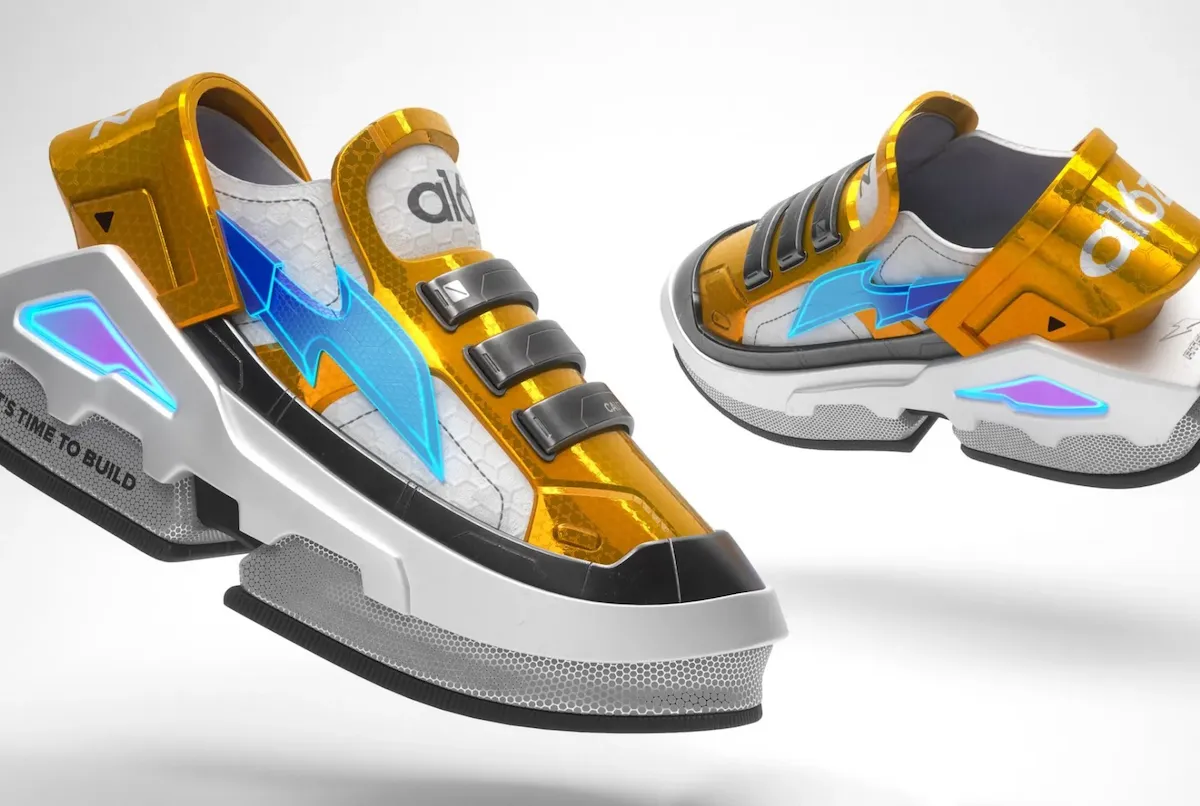

Nike faces a $5 million lawsuit following the shutdown of its RTFKT NFT platform, with “Crypto Kicks” NFTs plummeting from $8,000 to only $16—a devastating 99.8% loss. The high-profile collapse has triggered authorized motion throughout a number of states, as former NFT holders accuse the athletic put on big of executing a “rug pull” after buying RTFKT in December 2021 solely to announce its closure three years later.
Key Takeaways
-
Australian investor Jagdeep Cheema leads a $5 million lawsuit towards Nike, alleging the corporate offered “unregistered securities” in violation of shopper safety legal guidelines in New York, California, Florida, and Oregon.
-
Technical failures in April 2025, together with a Cloudflare contract error that briefly made NFT art work disappear, additional broken already declining shopper belief.
-
Over 8,000 NFT holders have accused Nike of a “rug pull” after promised perks like unique quests and limited-edition merchandise turned out of date following the shutdown.
-
The broader NFT market declined 63% year-over-year in Q1 2025, from $4.1 billion to $1.5 billion, with Nike’s collapse contributing to elevated skepticism towards corporate-led Web3 initiatives.
-
In contrast to Nike, rivals together with Adidas and Gucci maintained NFT communities via ongoing engagement, with 68% of former RTFKT NFT holders migrating to decentralized platforms.
From Digital Darling to Digital Catastrophe
When Nike acquired digital style startup RTFKT in December 2021, the transfer was celebrated as a forward-thinking step into digital items and NFT know-how. Quick ahead to December 2024, and Nike’s announcement of RTFKT’s shutdown has left 1000’s of traders with almost nugatory digital property and sparked severe questions on company duty in digital areas.
The worth collapse was staggering. Nike’s “CryptoKick sneakers” that includes NFTs, which as soon as commanded round $8,000 (3.5 ETH) at their peak, now commerce for roughly $16 (0.009 ETH). This represents a catastrophic 99.8% loss for early traders who believed within the model’s digital imaginative and prescient.
When Tech Failures Meet Damaged Guarantees
The RTFKT collapse wasn’t nearly declining values—technical failures compounded the issue. In April 2025, a Cloudflare contract error induced NFT art work together with well-liked CloneX avatars to briefly disappear from holders’ collections.
Samuel Cardillo, RTFKT’s tech lead, tried injury management by migrating property to Arweave’s decentralized storage to stop future outages. Nevertheless, this effort got here too late for a lot of traders who had already seen their belief eroded.
Nike had promised RTFKT NFT holders a number of perks, together with:
-
Unique digital quests and experiences
-
Entry to limited-edition bodily merchandise
-
Alternatives for worthwhile secondary gross sales
-
Integration with future Nike digital initiatives
With the platform’s shutdown, these guarantees turned unattainable to meet, leaving clients feeling misled and deserted.
The $5 Million Authorized Battle
Australian investor Jagdeep Cheema has emerged because the lead plaintiff in a $5 million lawsuit towards Nike. Filed throughout a number of states together with New York, California, Florida, and Oregon, the lawsuit alleges that Nike’s NFTs qualify as “unregistered securities” beneath U.S. legislation.
The authorized argument hinges on two details:
When a significant firm like Nike strikes into NFTs, customers naturally anticipate sturdy dedication and supply. The sudden shutdown raises issues about whether or not Nike clearly knowledgeable patrons of the potential dangers.
The Web3 Belief Deficit
Past the instant monetary losses, Nike’s NFT collapse has widened what many name the “Web3 trust deficit.” Over 8,000 NFT holders have accused Nike of executing a “rug pull“—crypto slang for selling a challenge earlier than abandoning it as soon as ample gross sales have been made.
This notion is especially damaging to Nike’s fame as an modern model. In accordance with market analysis, 41% of Gen Z customers affiliate NFT participation with model innovation. By failing on this house, Nike dangers alienating a vital demographic of tech-forward customers.
The timing could not be worse for the NFT market as a complete, which noticed a 63% year-over-year decline in Q1 2025, with complete gross sales dropping from $4.1 billion to $1.5 billion. Nike’s high-profile failure has contributed to rising shopper skepticism towards corporate-led Web3 initiatives.
How Rivals Maintained NFT Neighborhood Loyalty
Not all manufacturers have struggled within the NFT house. Rivals like Adidas and Gucci have maintained comparatively wholesome NFT communities via constant engagement methods.
These extra profitable manufacturers targeted on:
-
Internet hosting common digital style exhibits and occasions
-
Creating steady collaborations with digital artists
-
Offering ongoing utility for NFT holders
-
Establishing clear roadmaps with clear timelines
The distinction is putting—whereas Nike’s NFTs crashed in worth, these rivals have managed to protect a lot of their digital communities. Information exhibits that 68% of former RTFKT NFT holders have migrated to decentralized platforms relatively than different company NFT initiatives, suggesting a basic shift in belief.
The Metaverse Accountability Hole
Nike’s case highlights a major hole in authorized frameworks governing Web3 initiatives. Shoppers who buy digital property like NFTs usually have restricted recourse when firms determine to close down platforms or pivot away from earlier commitments.
This lack of accountability creates a number of issues:
-
Shopper vulnerability to sudden shutdowns
-
Uncertainty about possession rights when platforms shut
-
Questions on information preservation and entry
-
Absence of clear trade requirements for accountable closures
The Nike lawsuit could set up essential precedents for a way courts view company duties in digital areas. If profitable, it might push firms to create extra clear termination insurance policies earlier than launching related ventures.
Lengthy-term Affect on Nike’s Brand Loyalty
The fallout from Nike’s NFT collapse extends past monetary losses to questions on model integrity. For many years, Nike has constructed its id round innovation and pushing boundaries. The RTFKT failure undermines this narrative.
The injury to shopper belief might have an effect on Nike’s standing in a number of methods:
-
Lowered willingness to take part in future Nike digital initiatives
-
Skepticism towards the model’s innovation claims
-
Potential spillover impact on bodily product notion
-
Diminished attraction to digitally-native youthful customers
Brand loyalty specialists word that rebuilding belief after such a visual failure would require Nike to acknowledge errors and display real dedication to creating issues proper for affected clients.
Rebuilding Belief
The Nike case provides precious classes for manufacturers seeking to have interaction in Web3 areas with out alienating their communities. Profitable digital ventures want a number of key components:
-
Regulatory compliance and clear authorized frameworks
-
Clear communication about challenge timelines and potential dangers
-
Integration of decentralized governance fashions that give communities a voice
-
Clearly articulated exit methods communicated from challenge inception
-
Contingency plans for preserving digital property if a shutdown happens
Brands that ignore these ideas threat repeating Nike’s errors—turning what might be modern buyer engagement alternatives into lasting model injury.
The digital panorama provides great alternatives for manufacturers to attach with customers in new methods, however as Nike’s case demonstrates, these alternatives include significant duties that can’t be ignored.


